Can the manufacturing industry afford to overlook talent?
As industry rapidly transitions towards net zero, access to the right skills and talent becomes critical. For Accenture, diversity and gender equality are not matters of values alone, they are business-critical drivers of innovation and competitiveness in the manufacturing industry.
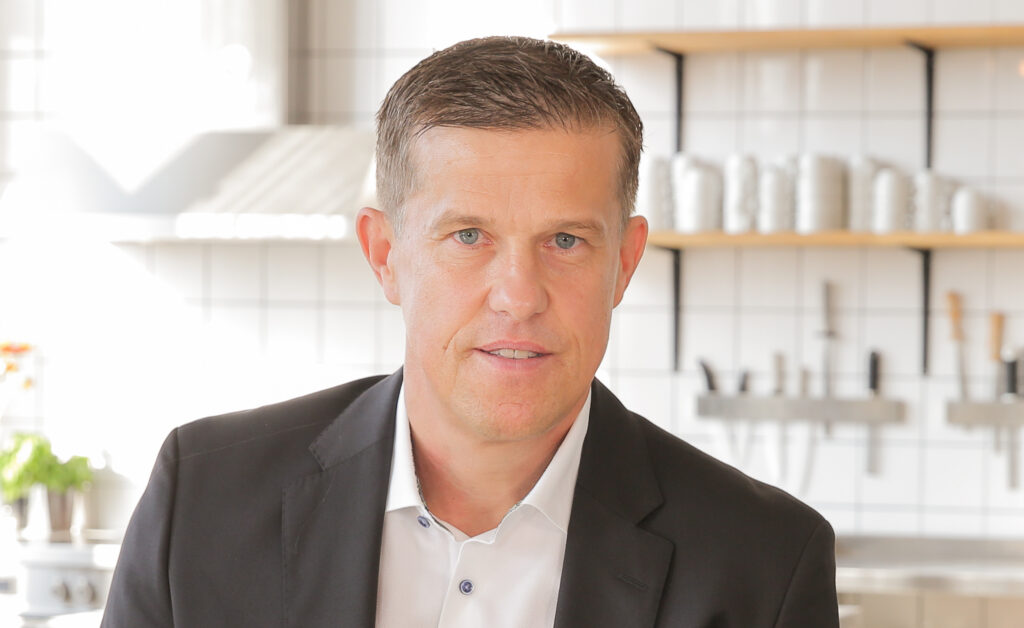
At a time when the importance of diversity and gender equality is increasingly being questioned, Patrik Nylander, CEO of Accenture Sweden, chose to take a clear stand in a widely noted LinkedIn post. For him, the connection is obvious. If we fail to harness the full range of talent in society, industry risks losing both its innovative capacity and its competitive edge. This is also a key issue for Net Zero Industry, whose mission is to strengthen a competitive and resilient manufacturing industry with net zero emissions. As a global player with a strong presence in industry, Accenture sees every day how broader perspectives can accelerate the transition – from strategy to concrete implementation in value chains and production.
We asked Patrik Nylander a few questions about why diversity and gender equality are crucial for the future of industry.
Why do you see diversity and gender equality as critical for industry?
Diversity and inclusion are essential to drive the innovation required for Sweden to remain competitive as an industrial nation. It is about fully leveraging the collective competence, experience, and creativity that exist across society.
When more perspectives are included, both our capacity for innovation and the quality of the solutions we develop are strengthened.
You published a widely discussed post on LinkedIn – why?
I felt a need to clearly state that we at Accenture remain committed to providing a workplace free from bias. We want to continue building a culture where all employees feel a sense of belonging, are respected, and have the right conditions to perform at their best.
As a meritocratic organization, we strive to give everyone equal opportunities to develop and contribute, based on competence and performance.
What kind of response did you and the company receive?
The response has been consistently positive, both from clients and employees. It confirms that this is an important issue and that clear leadership on these matters is valued.
Accenture is a global company – what challenges and opportunities do you see in industry’s work on diversity and gender equality?
One of the biggest challenges is that norms are often shaped by the majority, allowing unconscious bias to influence decisions – even when intentions are good. No one is entirely free from bias, which is why active and long-term efforts are required.
At the same time, the opportunities are significant. When more perspectives are included, both innovation capacity and competitiveness are strengthened. For Sweden as a whole, this is a crucial issue for the future of industry.
What advice would you give to industry – why should they prioritize diversity and gender equality?
Because future competitiveness depends on the perspectives we choose to include today.
Dare to challenge the traditional image of who can work with technology and AI – and create the conditions for more people to contribute. Diversity and gender equality are not side issues, but business-critical investments.
Want to explore this topic further?
On April 30, Net Zero Industry will host a lunch seminar focusing on diversity, skills, and competitiveness in the transition to net zero. Participants include Minister for Gender Equality Nina Larsson, alongside leading voices from business and industry.